
TL;DR
Great Sand Dunes has one developed campground: Piñon Flats (88 sites, $20/night, no hookups, flush toilets, dump station warm months only). Max RV length: 35 feet combined including tow vehicle. Elevation: 8,175 feet, expect cold nights even in summer, reduced engine power on the approach, and restricted generator hours. Great Sand Dunes Oasis sits 3 minutes from the entrance with hookup sites, gas, and sandboard rentals. Sandboarding requires specialized boards — snow sleds don't work. Medano Creek surge flow peaks late May through early June and dries by late summer. Certified International Dark Sky Park. Entry: $25/vehicle. Best RV window: late May through September.
What makes Great Sand Dunes different from other national park RV trips?
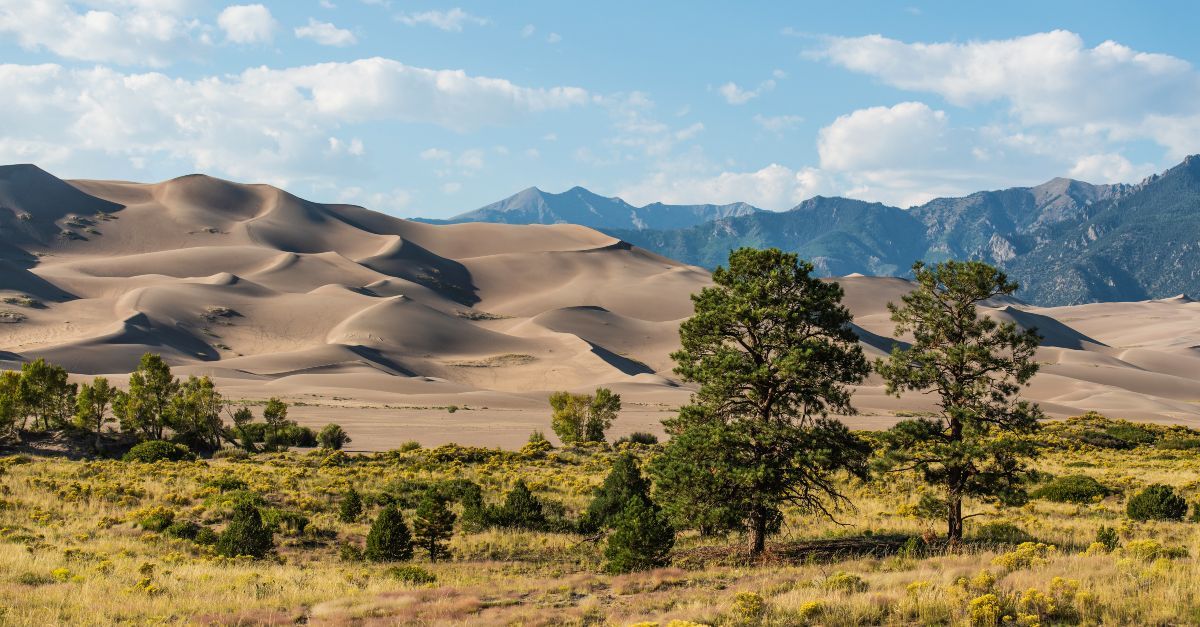
The elevation hits before the sand does. You drive south from Denver or over from Colorado Springs, watching the Sangre de Cristo Mountains stack up against the sky — and then 700-foot sand dunes appear at their base, sitting in a high alpine valley that doesn't make visual sense. This is North America's tallest dunefield at 8,175 feet above sea level, and the altitude changes everything about how you plan an RV trip here.
Great Sand Dunes National Park has one developed campground, no hookups anywhere in the park, and only four miles of paved road. The park's neighbor — Great Sand Dunes National Preserve — adds backcountry and a 4WD primitive road, but neither helps if you're in an RV. What does help: the park sits at the edge of Colorado's San Luis Valley, the largest alpine valley in the world, with a handful of private campgrounds and public lands within 30 minutes.
The dunes themselves cover about 30 square miles and hold Star Dune — 741 feet from base to crest, the tallest dune in North America. You can hike, sled, or sandboard anywhere on them. No permits, no marked trails, no restrictions beyond staying off vegetated areas. That openness, combined with a certified International Dark Sky Park designation, means the overnight experience here matters as much as the daytime one.
Where do you camp at Great Sand Dunes in an RV?
Your campground choice comes down to hookups versus proximity.
Piñon Flats Campground (NPS) — inside the park
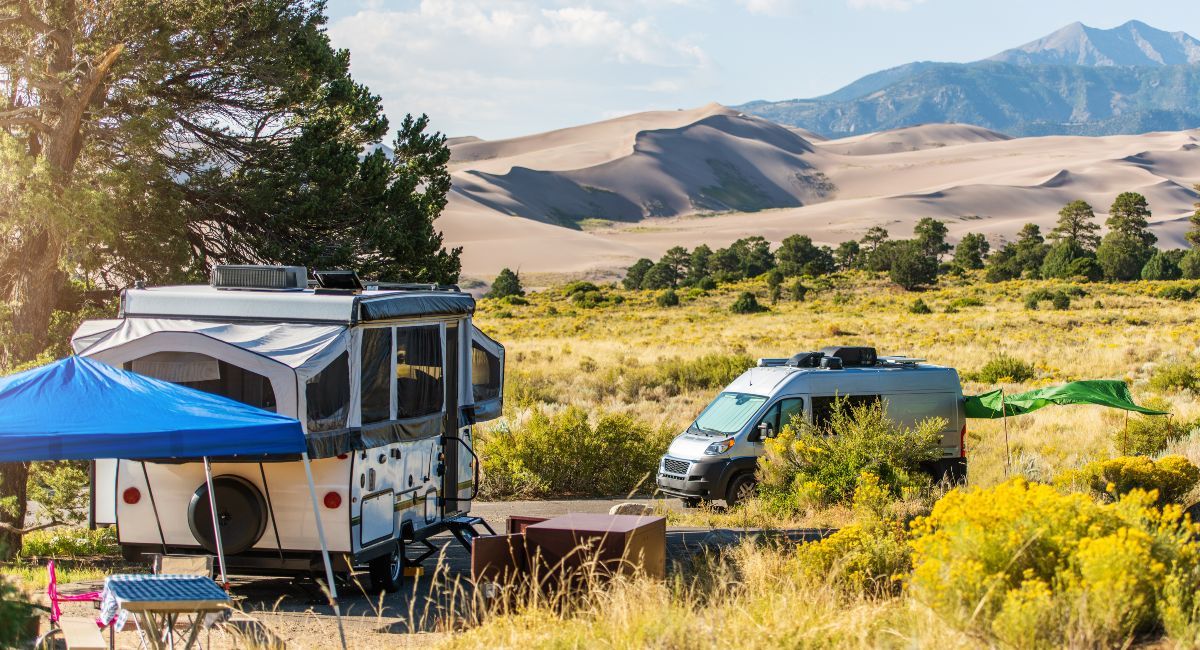
The only developed campground in the park, and one of the few where you can see the dunes from your site. Piñon Flats sits among piñon pines and juniper at 8,175 feet, 1 mile from the main dune parking area.
- Sites: 88 individual across two loops, plus 3 group sites ($65–80)
- Fee: $20 per night
- Hookups: None. No showers, no laundry
- Facilities: Flush toilets, sinks, fire grate, picnic table. Dump station available in warmer months
- Max RV length: 35 feet combined — that's your RV plus anything you're towing
- Season: April 1 through October 31
- Reservations: Loop 1 is first-come, first-served year-round. Loop 2 is reservable via Recreation.gov up to six months in advance
- Generator hours: 8–10 AM, 12–2 PM, 5–7 PM only
Most sites are small and unlevel — the NPS says so directly. If you're in a travel trailer over 30 feet, you'll find fewer site options than the 88-site count suggests. Arrive early for Loop 1, or reserve Loop 2 the day the window opens if you're visiting in June or July.
Great Sand Dunes Oasis — 3 minutes from the entrance
The private fallback and the only hookup option near the park. The Oasis has about 20 RV sites ($25–38/night depending on season), a small restaurant, a general store, a seasonal gas station, and — critically — a sandboard rental counter. If you want full hookups and air conditioning at 8,000 feet, this is where you stay.
Other nearby options
- Zapata Falls Campground (BLM): 23 sites, $11/night, vault toilets. About 15 minutes south. Zapata Falls itself is a 1.4-mile hike to a waterfall inside a rock crevice.
- San Luis Lakes State Park: ~25 minutes south. Electric hookups, showers, boat ramp on San Luis Lake. A solid full-service option if Piñon Flats is booked.
- KOA Alamosa: 30 minutes out. Full hookups, pool, store. $25–75/night depending on season and site type.
- BLM Sacred White Shell Mountain: Free dispersed camping with no facilities. Bring everything.
For the full picture of Colorado RV options beyond the park, our Colorado campgrounds guide covers the state's best sites from the Front Range to the Western Slope.
What should RV travelers know about camping at 8,000 feet?
Renters consistently underpack for the cold. You're headed to sand dunes in Colorado — your brain says desert, hot, sunscreen. But nights at 8,175 feet drop into the 40s even in July. We see it in trip reviews every summer: people packing for a beach and shivering through the first night. The furnace isn't optional here, even in peak season.
Engine performance: Your engine loses roughly 3% power per 1,000 feet above sea level. At 8,175 feet, that's noticeable — especially towing on the US-160 approach from the south. Budget extra time and don't push the engine on grades.
Cooking: Water boils at about 196°F at this elevation instead of 212°F. Pasta, rice, and beans take longer. Anything pressure-dependent — like a stovetop pressure cooker — needs altitude adjustment. It's not a dealbreaker, just a timing change.
Altitude adjustment: Headaches, fatigue, shortness of breath — especially on the first day, especially if you're hiking dunes. Hydrate aggressively and take the first afternoon easy. The dune hikes are harder than they look on flat-ground legs.
Generator restrictions: Piñon Flats limits generators to three two-hour windows per day. You can't run a portable generator all evening for AC or charge. If you need sustained power, stay at the Oasis or San Luis Lakes with hookups.
Dump station timing: The in-park dump station operates during warmer months only. If you're visiting in April or late October, arrive with empty tanks or plan to dump in Alamosa.
What can you do at Great Sand Dunes from your RV base camp?
Sandboarding and sand sledding
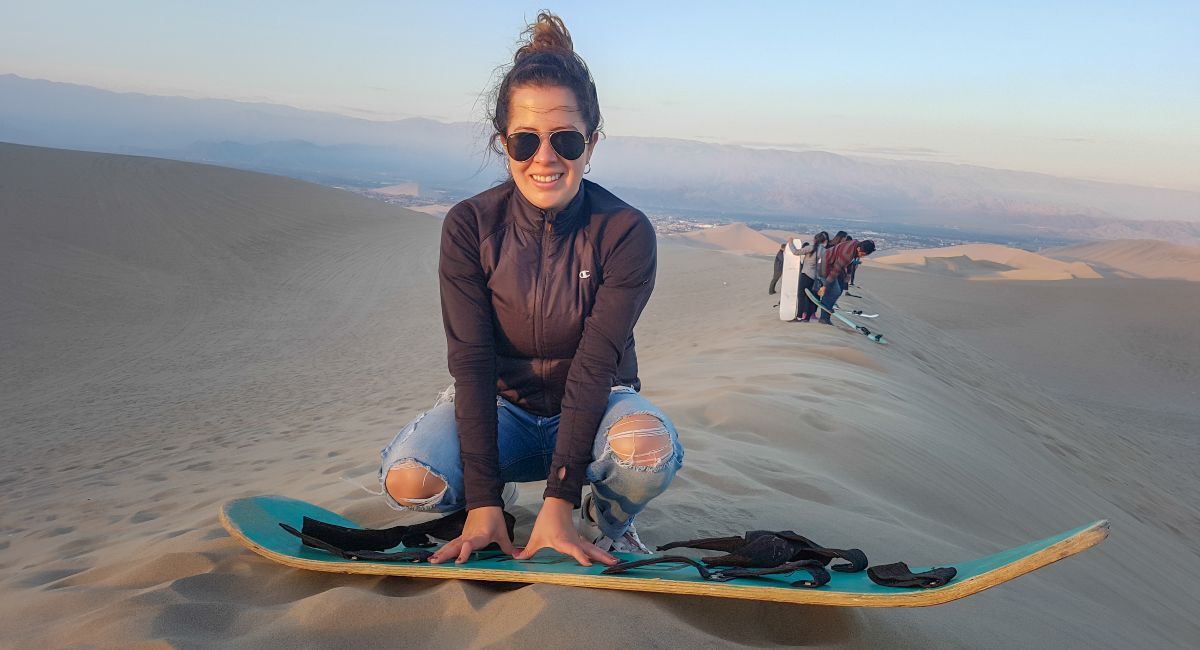
The single most common mistake at Great Sand Dunes is showing up with a snow sled. It doesn't work. Sand is not snow — without a waxed base designed for granular surfaces, you sit there and go nowhere. The NPS puts it plainly: "don't waste time with snow sleds, saucers, cardboard, or soft plastic items."
The Oasis Store rents proper sandboards for about $20 a day, three minutes from the park entrance. Several other outfitters within 35 miles do the same. From the main dunes parking area, it's a 0.7-mile walk to reach the first ridgeline with good slopes. In summer, sand surface temperatures hit 150°F by midday — go before 10 AM or after 5 PM, and wear shoes on the walk out.
Star Dune and the dunefield
Star Dune stands 741 feet above the valley floor — the tallest dune in North America. The hike is roughly 2.5 hours round trip, entirely on open sand. No trails, no markers, no shade. Bring water (more than you think), start early, and watch for afternoon thunderstorms that build fast over the Sangre de Cristos.
Shorter options: the first ridgeline is a 20-minute walk from parking and gives you the full panorama without the full commitment.
Medano Creek
If you can time your visit to late May or early June, do it. That's when Medano Creek hits its surge flow — a pulsing wave phenomenon that sends walls of water across the creek bed every 10–20 seconds. The creek runs along the base of the dunes, and in peak flow, it's wide enough for kids to splash and wade. By mid-July most years, the creek is a trickle or gone entirely. Timing your campground reservation around the surge is the move.
Night sky
Great Sand Dunes holds a certified International Dark Sky Park designation. On a new moon night, the Milky Way arcs directly over the dunefield with zero light pollution. You don't need to hike — the view from Piñon Flats or the dunes parking area is unobstructed. This is one of the darkest sky parks in the lower 48, and it's the reason overnight camping here beats a day trip from Denver or Colorado Springs.
When is the best time to visit Great Sand Dunes in an RV?
Late May through early June is the window. Medano Creek is in full surge flow, daytime highs reach the 70s–80s, Piñon Flats is open, and the dunes aren't baking yet. Book Loop 2 the day reservations open — six months out — or aim for Loop 1 midweek.
Summer (July–August): The busiest season and the hottest sand. Surface temperatures hit 150°F by noon, afternoon thunderstorms roll through most days, and Medano Creek may be dry. You'll still have a great trip — just plan dune time for early morning and evening.
September–October: Fewer crowds, golden aspen in the Sangre de Cristos, and stable weather. Nights drop into the 30s–40s, so you're running the furnace. Piñon Flats closes October 31 — October visits need a campground reservation or a plan for nearby alternatives.
November–March: Piñon Flats is closed. Dispersed camping on BLM land or in the Preserve is possible, but nights hit single digits. Roads can ice over. Only experienced winter campers should attempt it.
How do you plan an RV trip to Great Sand Dunes?
The park sits in south-central Colorado, which means the approach is part of the trip.
From Denver: 3.5 hours via I-25 south to Walsenburg, then US-160 west. The Sangre de Cristo pass on 160 climbs through Blanca and Fort Garland — scenic but slow with a trailer.
From Colorado Springs: 2.5 hours via US-160 west. The most direct route. Good road, manageable grades.
From Albuquerque: 4 hours via I-25 north to US-160. A good option if you're combining Great Sand Dunes with a New Mexico leg.
A two-day plan: Day 1 — arrive by early afternoon, set up camp, rent sandboards at the Oasis, hit the dunes for a sunset session. Stay for stars. Day 2 — early morning Star Dune hike or Medano Creek (depending on season), visitor center for ranger programs, Zapata Falls hike on the way out. If you have a third day, explore the San Luis Valley — Alamosa has restaurants and supplies, and the drive south through the valley is quietly spectacular.
Entry is $25 per vehicle, good for seven days. The park accepts cash, credit, debit, Google Pay, and Apple Pay. No advance reservation or timed entry required — you just show up.
About this guide
Campground details and vehicle restrictions from NPS Great Sand Dunes campgrounds. Entry fees from NPS Great Sand Dunes fees. Sandboarding guidance from NPS sandboarding and sand sledding. Piñon Flats reservation details from Recreation.gov. Road conditions from NPS getting around. Nearby campground recommendations and seasonal observations from Outdoorsy's rental support data and renter trip reviews across multiple San Luis Valley seasons. Fees and operational details confirmed for the 2026 season.