
Why Utah RV Camping Is Unbeatable
Source: Unsplash
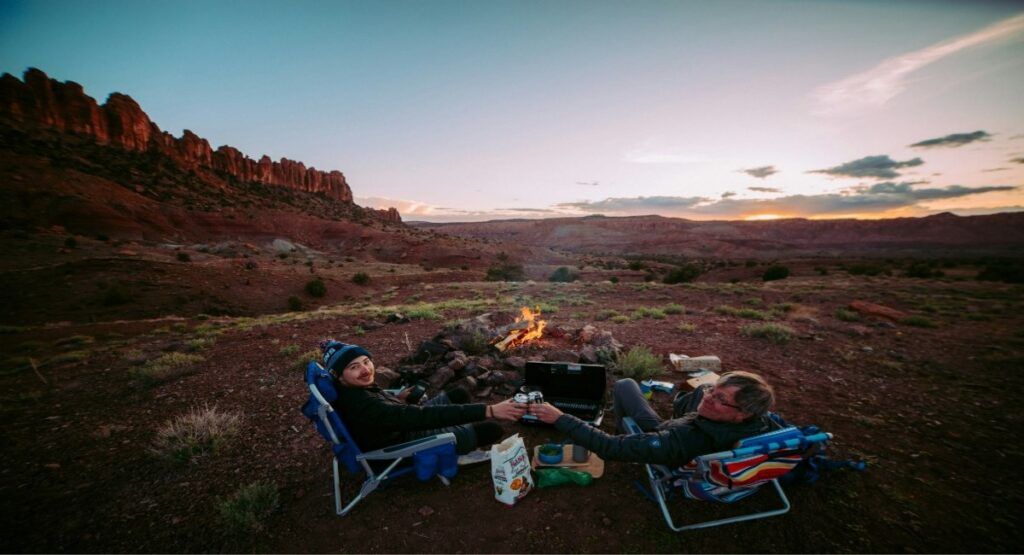
Utah delivers the ultimate RV adventure with direct access to five incredible national parks—Zion, Bryce Canyon, Arches, Canyonlands, and Capitol Reef. Whether you’re parking at award-winning resorts with pools and full hookups near Moab, camping riverside at Zion Canyon Campground just steps from the park entrance, or boondocking under star-studded skies on BLM land, Utah offers RV sites for every style. Expect dramatic red-rock landscapes, world-class hiking, pet-friendly parks, and campgrounds catering to big rigs and families alike. Book early—peak season (March-October) fills up months in advance.
This guide compiles first-hand reviews from thousands of RV travelers, official data from Utah State Parks and the National Park Service, and expert recommendations from campground management teams across the state. We’ve researched campgrounds throughout Utah to bring you accurate, actionable information for your 2026 road trip.
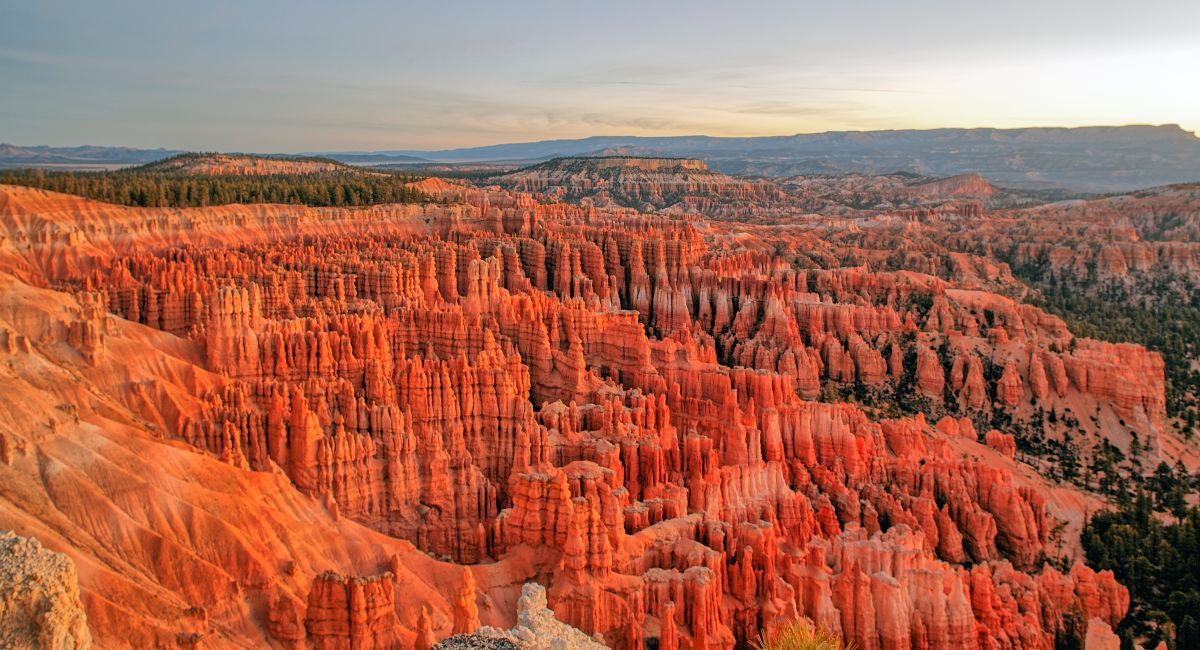
Imagine waking up to red-rock spires glowing in the morning sun, stepping out of your RV onto a trail that winds through otherworldly stone arches, then watching sunset paint the hoodoos orange and purple before heading back to your full-hookup site with a heated pool.
That’s Utah RV camping. Home to the “Mighty 5” national parks—Zion, Bryce Canyon, Arches, Canyonlands, and Capitol Reef—Utah packs more jaw-dropping scenery per square mile than just about anywhere on Earth. And the best part? You can park your rig right at the doorstep of these natural wonders, whether you’re after resort-style luxury near Moab, family-friendly campgrounds in Springdale, or rustic sites where the Milky Way feels close enough to touch.
What Makes Utah the Ultimate RV Destination?
Utah stands alone for its incredible concentration of national parks and diverse landscapes accessible by RV. Here’s why RV travelers keep coming back:
The Mighty 5 Within Reach: No other state packs five national parks into such a concentrated area. You can realistically visit all five in a single epic RV road trip, with campgrounds strategically located near each park entrance.
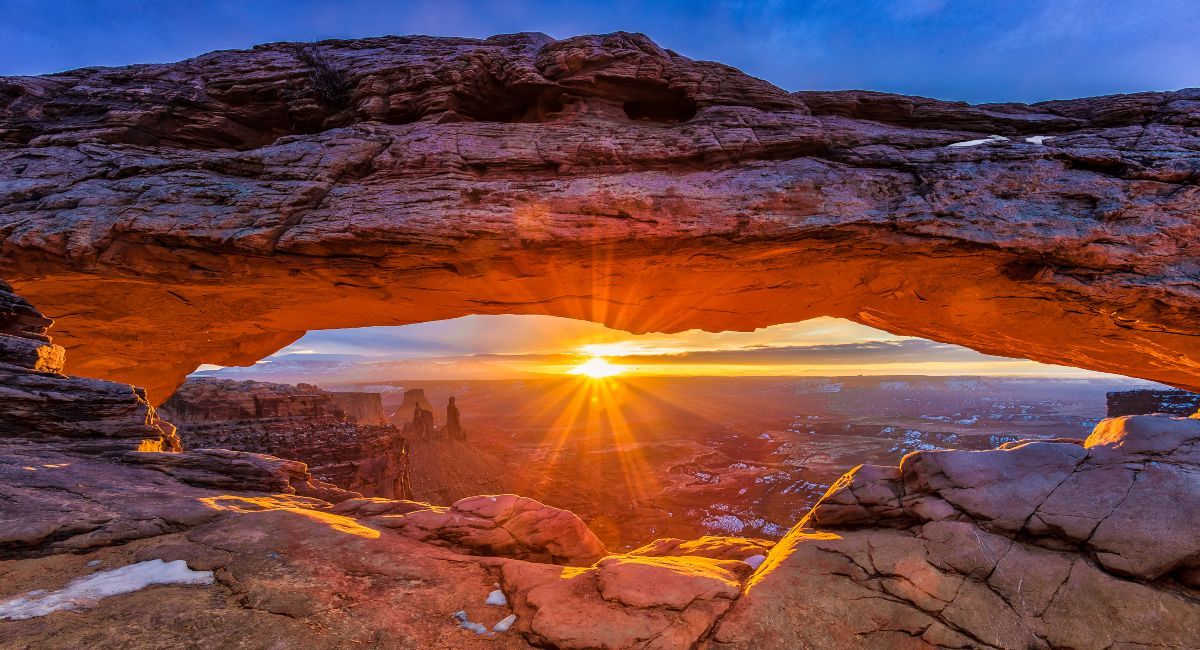
Red-Rock Wonderland: From the towering cliffs of Zion to the delicate span of Delicate Arch, Utah’s geology creates landscapes that feel pulled from another planet. Every campground offers dramatic mountain or canyon views.
Year-Round Adventures: Southern Utah’s mild winters (40s-50s) make places like Moab and St. George perfect for snowbird camping. Northern areas around Salt Lake City offer summer mountain escapes and ski resort access.
RV-Friendly Infrastructure: Utah tourism thrives on RV travel, meaning you’ll find modern campgrounds with full hookups, big-rig sites, and excellent amenities throughout the state—from luxury resorts to affordable state park campgrounds.
Ready to roll? Browse RV rentals in Utah and find your perfect home on wheels for this epic adventure.
Map of Utah’s Best RV Campgrounds
Where Are the Best RV Campgrounds in Utah?
Source: Unsplash
Utah’s best RV campgrounds range from luxury resorts to rustic national park sites, each offering unique access to the state’s incredible outdoor recreation. Here are our top picks, organized by region and proximity to the Mighty 5:
Moab & Eastern Utah: Gateway to Arches and Canyonlands
Sun Outdoors Canyonlands Gateway (Moab)
This 2023 Campspot Award Winner combines resort amenities with unbeatable access to Arches and Canyonlands National Parks. Set in stunning red-rock country, the campground offers a refreshing pool, splash pad, hot tub, and a historic western church that adds vintage charm.
Location: Just minutes from Arches National Park and about 30 minutes from Canyonlands, making it the ideal basecamp for exploring both parks in one trip.
Sites & Amenities: Full-hookup RV sites (20/30/50-amp), tent sites, and cozy casitas for non-RVers. Amenities include a pool, a splash pad, a playground, modern restrooms, and laundry.
Best For: Families wanting kid-friendly amenities, photographers chasing epic sunrises, and anyone seeking Old West vibes with modern comfort.
Moab KOA Holiday
Boasting the largest pool in Moab, this KOA delivers resort-style camping with mountain views and easy access to the area’s greatest hits. The combination of rustic adventure camping and upscale amenities makes it consistently popular year-round.
Highlights: Massive swimming pool, hot tub, fire pits, gas grills at each site, spectacular views of red rocks and La Sal Mountains. Pull-through and back-in sites available.
Access: Within 15 minutes of downtown Moab, Arches National Park, and Dead Horse Point State Park.
Best For: Families who want a pool after dusty trail days, groups traveling together, and anyone seeking the perfect balance of adventure access and relaxation.
Spanish Trail RV Park (Moab)
Located 3 miles south of Moab with stunning red-rock cliff views, this well-run park earns rave reviews for cleanliness, modern facilities, and helpful staff who know the area inside out.
Amenities: Full hookups, pull-through sites for big rigs, exceptional Wi-Fi and cable TV, spotless restrooms and laundry, and ample dog walking areas. Sites fill daily during peak season.
Best For: Remote workers needing reliable internet, travelers with larger motorhomes, and pet owners (very dog-friendly).
Planning a Moab adventure? Check out Moab RV rentals to find the perfect rig for red-rock country.
Southwestern Utah: Zion National Park Area
Source: Unsplash
Zion Canyon Campground & RV Resort (Springdale)
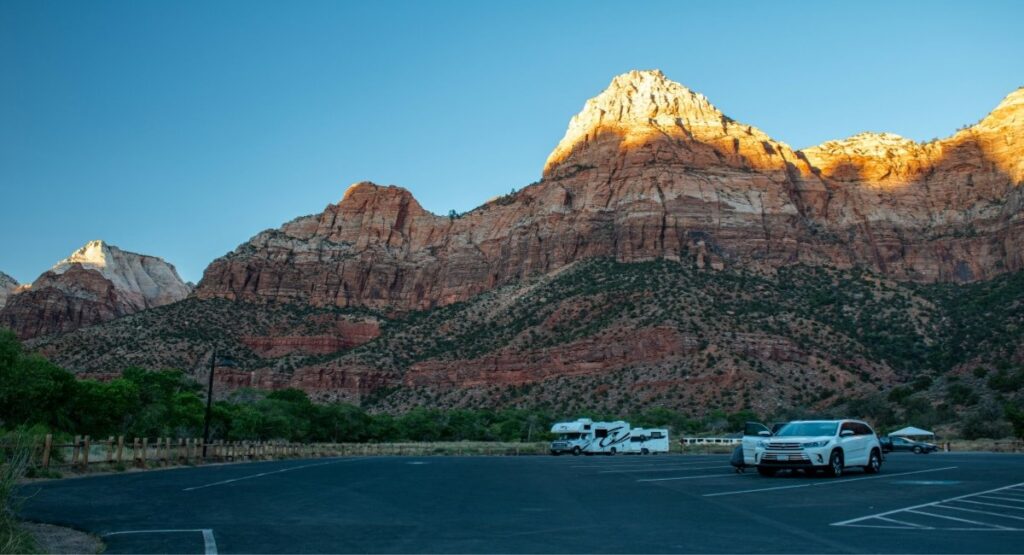
The closest private RV park to Zion National Park is just a quarter mile from the park entrance. Family-owned since 1973, this 12-acre paradise puts you within walking distance of Zion’s trails while offering amenities you won’t find inside the park.
Unbeatable Location: Walk to Zion’s entrance in 15 minutes or catch the Springdale shuttle right at the campground. Easy access to Springdale’s restaurants, shops, and art galleries.
Sites & Facilities: 131 powered RV spots (30 & 50-amp), 15 tent sites, full hookups including sewer, water, and electric. Pool, playground, fire pits, BBQ grills, modern showers, laundry, and a camp store.
Scenery: Camp with views of The Watchman and West Temple—truly breathtaking red-rock formations framing your site.
Best For: Families wanting convenience without sacrificing amenities, photographers needing early park access, and anyone who prefers walking over driving and parking hassles.
Watchman Campground (Inside Zion National Park)
For the ultimate immersion in Zion’s beauty, camp inside the park itself. Located near the south entrance, Watchman puts you steps from the Zion Canyon Visitor Center and shuttle system.
Sites: Standard electric sites (A & B loops) accommodate RVs and tents. No full hookups—electric and water only. Tent-only sites in C, D, and F loops. Group sites in E loop for 7-40 people.
Facilities: Flush toilets, drinking water, picnic tables, fire rings. No showers or laundry (available in Springdale).
Reservations: Book up to 6 months in advance through Recreation.gov. Sites fill quickly March-November.
Best For: Budget-conscious campers, early risers wanting first access to trails, and anyone seeking an authentic national park camping experience.
Zion River Resort (Virgin)
Located about 20 minutes from Zion in Virgin, this resort serves as the perfect basecamp for exploring not just Zion, but also Bryce Canyon, Grand Canyon North Rim, and Cedar Breaks National Monument.
Family Focus: Planned activities year-round, clubhouse, swimming pool, gazebo, kitchen, playground, and on-site mining sluice where kids prospect for treasures.
Best For: Multi-park road trips, families with young kids, and travelers seeking a quieter alternative to busy Springdale.
Bryce Canyon Region: Hoodoo Heaven
North Campground (Inside Bryce Canyon National Park)
Right across from the Bryce Canyon Visitor Center, this rustic campground delivers simplicity and stunning access to one of Utah’s most photogenic parks. At 8,000+ feet elevation, temperatures stay cooler even in summer.
Sites: First-come, first-served (no reservations). No hookups, but potable water and a dump station are available. Each site has a fire ring, picnic table, and grill.
Facilities: Clean pit toilets, water spigots, and garbage/recycling bins. Store trash in the RV until disposal to avoid attracting wildlife.
Best For: Self-sufficient campers, early birds wanting sunrise access to the hoodoos, and those seeking an authentic national park experience at affordable rates ($20-30/night).
Central Utah: Capitol Reef & Hidden Gems
Wonderland RV Park (Torrey – Near Capitol Reef)
This award-winning campground sits just 10 minutes from Capitol Reef National Park, offering stunning red-rock views and direct access to Boulder Mountain and ATV trails. The peaceful setting and 360-degree views create a serene basecamp.
Amenities: Spacious full-hookup sites, brand-new bathhouse, laundromat, modern clubhouse, dedicated dog park. All facilities are fully functional and well-maintained.
Nearby Adventures: Explore Goblin Valley State Park (40 minutes), Grand Staircase-Escalante National Monument, Calf Creek Falls, and scenic drives through Boulder Mountain.
Best For: ATV enthusiasts, stargazers (minimal light pollution), and travelers exploring Utah’s less-crowded central parks.
Northern Utah: Salt Lake City Area
Sun Outdoors Salt Lake City
Located north of Salt Lake City, this resort-style RV park makes the perfect basecamp for exploring Utah’s capital while staying close to mountain recreation and ski resorts.
Sites: Large pull-through sites accommodate big rigs, and full hookups are available. Well-maintained grounds with modern amenities.
Facilities: Laundry, camp store, dump station, clean restrooms, and showers.
Location Benefits: Access to Great Salt Lake, Antelope Island State Park, downtown Salt Lake City attractions, Temple Square, and nearby ski resorts (Park City, Snowbird).
Best For: Urban explorers, ski resort visitors (winter), and travelers starting/ending their Mighty 5 road trip in Salt Lake.
Find your perfect ride with Salt Lake City RV rentals for your Utah adventure.
What Amenities Should I Look for in Utah RV Campgrounds?
Source: Unsplash
Choosing the right amenities transforms your Utah RV adventure from good to unforgettable. Here’s what to prioritize:
Full Hookups (Water, Sewer, Electric)
Critical for longer stays and hot summer months. Most private RV parks offer 30/50-amp electric, fresh water, and sewer connections. National park campgrounds typically provide water and electric only, with dump stations for sewer. Budget travelers can save money at no-hookup sites if they’re self-contained.
Proximity to National Parks
Distance matters, especially during peak season when parks require timed-entry tickets. Campgrounds within 15-30 minutes of park entrances (like Zion Canyon Campground or Sun Outdoors Canyonlands Gateway) let you beat crowds and maximize trail time.
Big-Rig Friendly Sites
Traveling with a Class A motorhome or a large fifth wheel? Verify campgrounds offer pull-through sites (ideal for quick overnights), level pads, and adequate maneuvering space. Parks like Spanish Trail and Moab KOA specifically accommodate larger rigs.
Pet-Friendly Facilities
Most Utah campgrounds welcome pets with restrictions. Look for dedicated dog parks, pet washing stations, and designated walking areas. Note that pets aren’t allowed on most national park trails (except Pa’rus Trail in Zion).
Pools & Family Amenities
After dusty days hiking through desert canyons, nothing beats a swimming pool. Resort-style parks like Moab KOA, Sun Outdoors locations, and Zion Canyon Campground offer pools, playgrounds, splash pads, and organized activities that keep families happy.
When Is the Best Time to RV Camp in Utah?
Timing your Utah RV trip makes all the difference between comfortable adventures and extreme weather challenges. Here’s what to expect:
Spring (March-May): Peak Season Glory
Spring brings perfect hiking weather to southern Utah—mild temperatures (60s-70s) and wildflower blooms. This is THE busiest season, especially around Zion and Arches. Book campgrounds 6 months in advance. Note: Arches now requires timed-entry tickets from April to October.
Summer (June-August): Hot but Doable
Expect extreme heat in Moab and southern parks (90-110°F). Start hikes at sunrise, seek shade midday, and embrace pool time. Higher elevation parks like Bryce Canyon (8,000+ feet) stay cooler. Northern Utah, near Salt Lake, becomes prime camping territory with mountain access.
Fall (September-October): Second Peak Season
Fall rivals spring for ideal conditions—pleasant temperatures, golden cottonwoods, and fewer crowds than spring (though still busy). September to mid-October is magical. Book early as this window is short.
Winter (November-February): Snowbird Season
Southern Utah (St. George, Moab) offers mild winter camping (40s-50s), perfect for snowbirds escaping northern cold. Many campgrounds stay open year-round. Higher elevations close due to snow. Salt Lake area draws skiers to nearby resorts.
Which RV Type Works Best for Utah Campgrounds?
Utah’s varied terrain and campground types accommodate every RV style, from compact campervans to luxury motorhomes. Match your rig to your adventure:
Class B Campervans: Nimble & Efficient
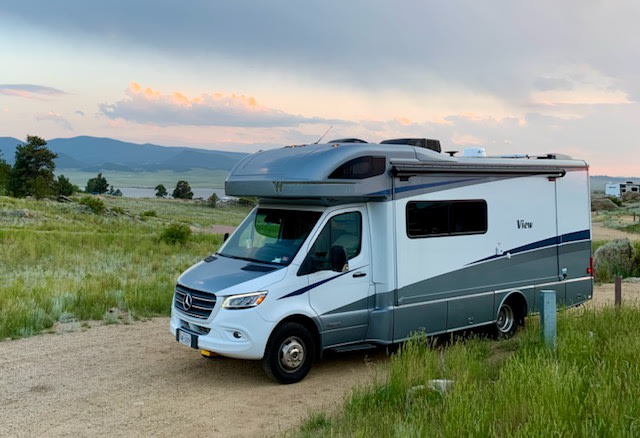
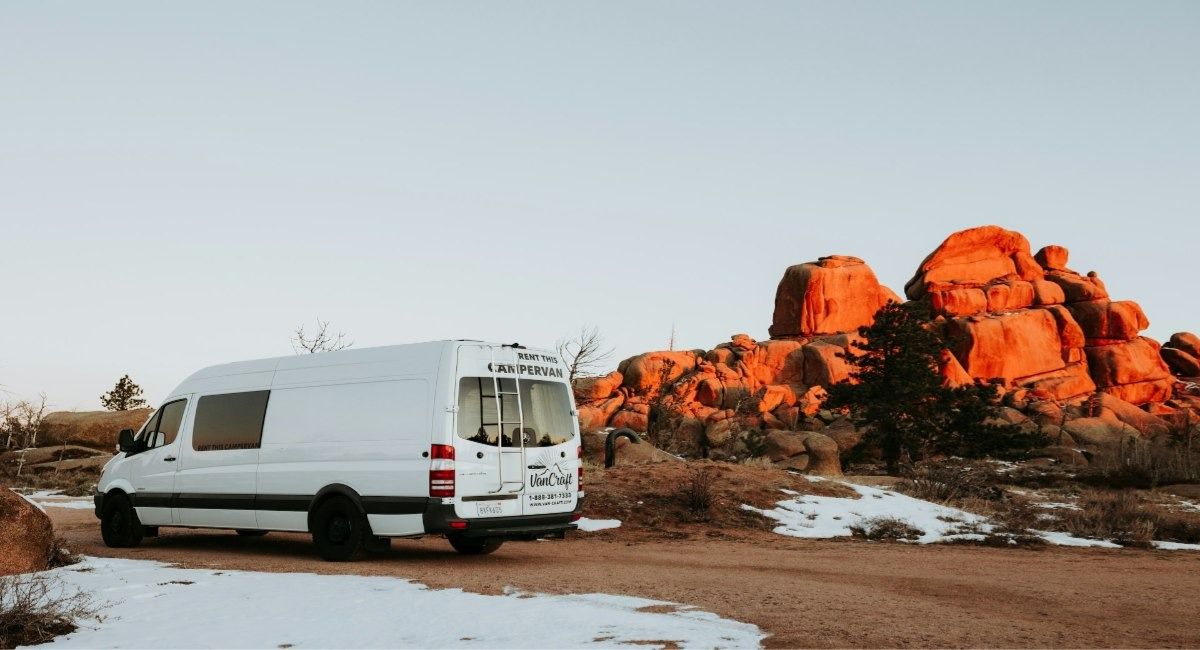
Perfect for Utah’s winding scenic byways and tight canyon roads. Campervans slip into any site, park at trailheads easily, and deliver excellent fuel economy (18-25 mpg)—critical when driving between parks. Great for couples and solo travelers. Learn more about Class B travel and browse campervan rentals.
Travel Trailers: Value & Space
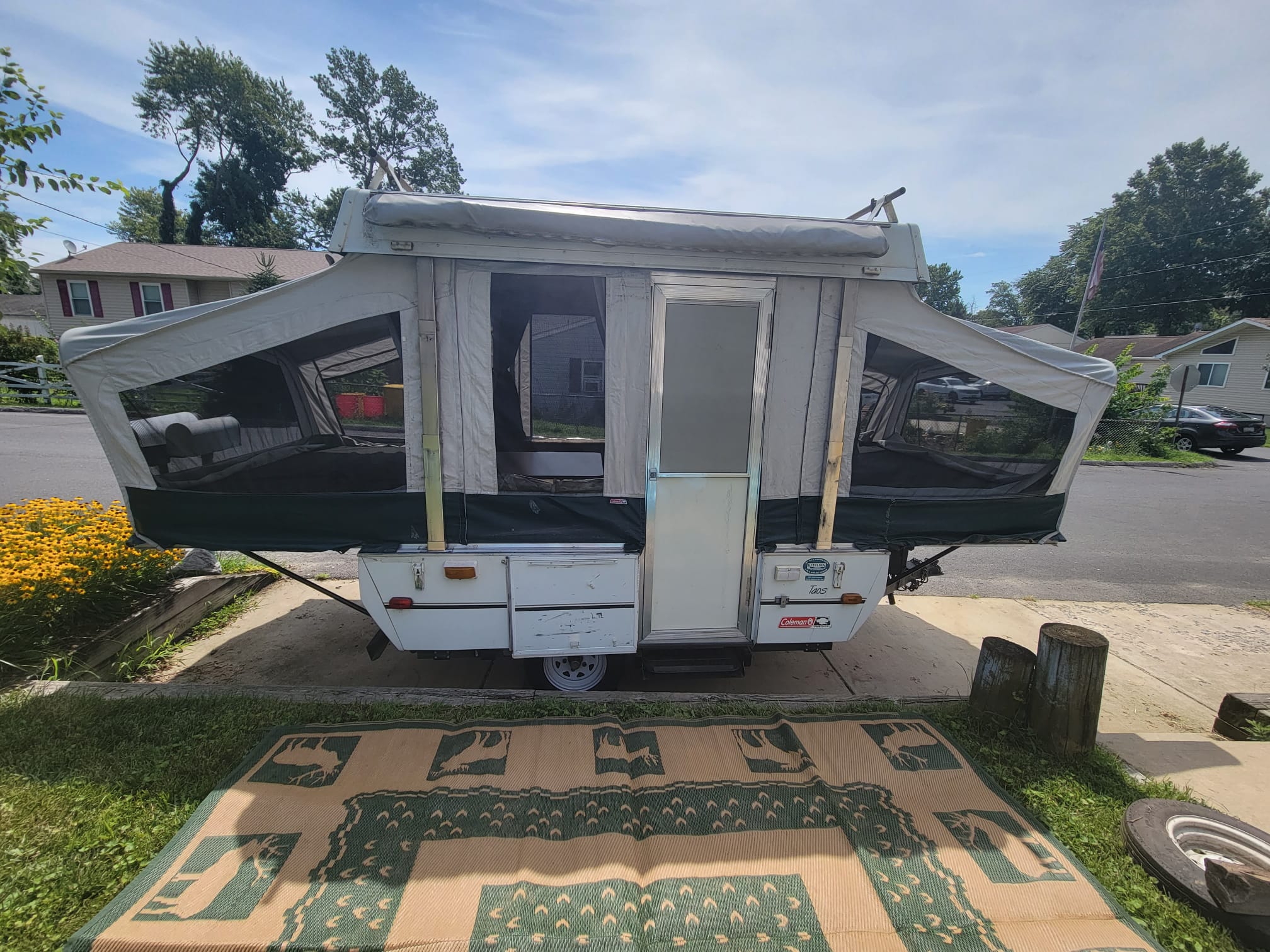
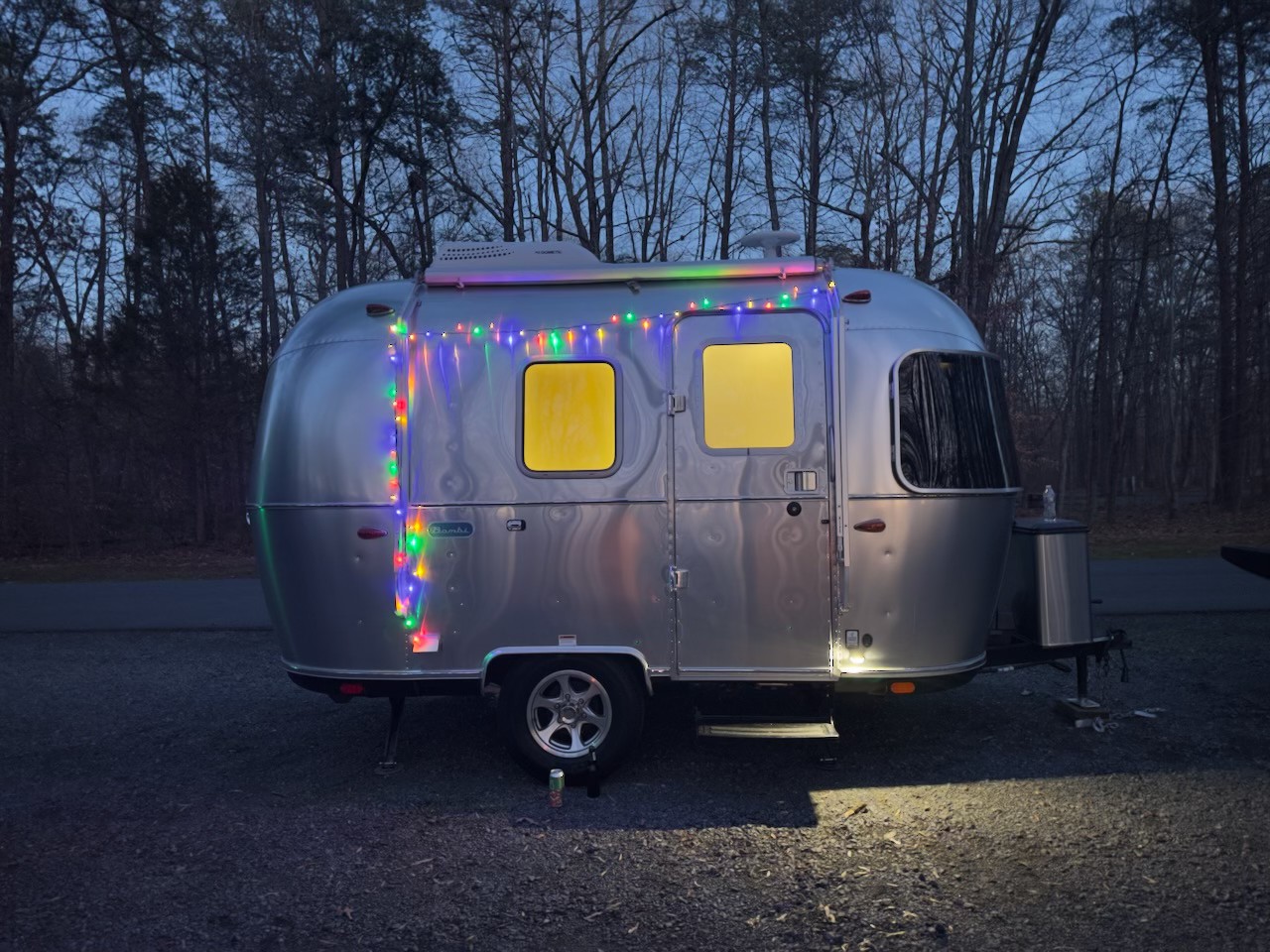
Budget-friendly option with room for families. Once set up at camp, unhitch and explore in your tow vehicle—essential for navigating Zion’s narrow roads and accessing trailheads with limited parking. Most Utah campgrounds offer pull-through sites perfect for trailers.
Class A Motorhomes: Luxury Home Base
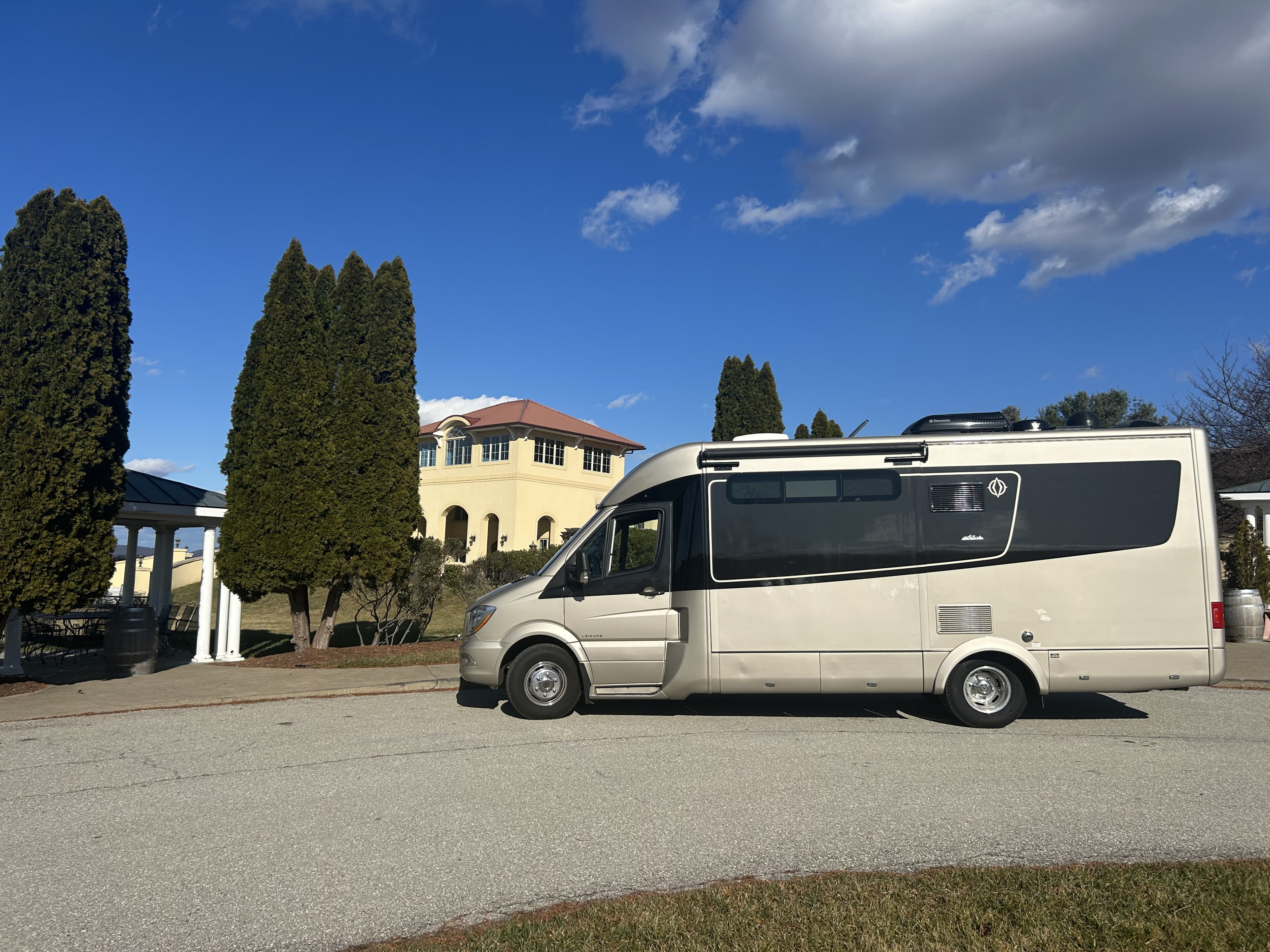
Ideal for extended Mighty 5 road trips and luxury camping. Most modern resort-style parks (Moab KOA, Sun Outdoors, Spanish Trail) easily accommodate 40+ foot Class As. Just verify site dimensions at older state park campgrounds before booking.
Explore all options with Outdoorsy’s guide to RV classes.
How Do I Access Utah’s Mighty 5 National Parks?
Each of Utah’s five national parks offers unique landscapes and RV camping opportunities—plan your route strategically. Here’s the essential breakdown:
Zion National Park
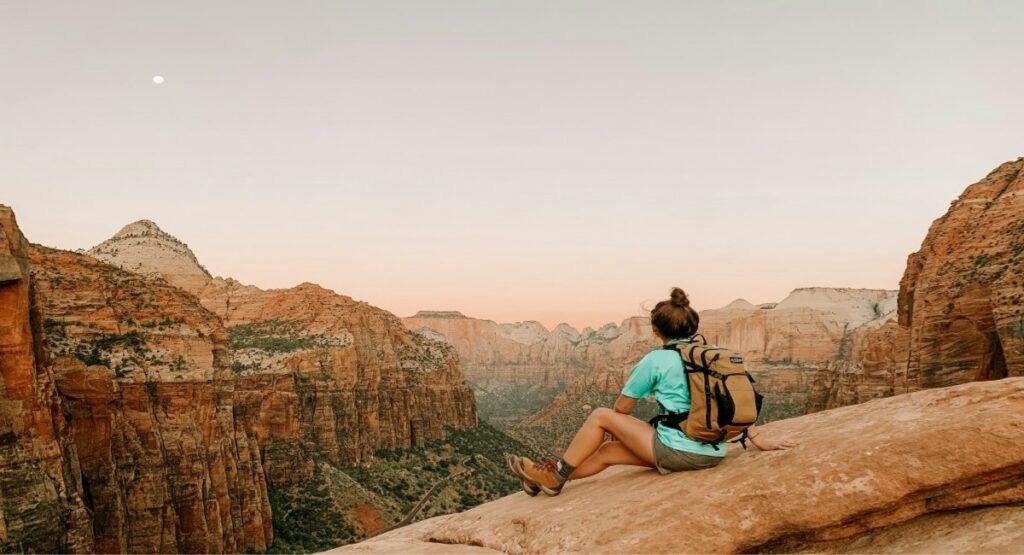
Utah’s most-visited park showcases towering sandstone cliffs, the Virgin River’s emerald pools, and iconic hikes like Angels Landing. Shuttle system required March-November (cars restricted in canyon). Camp at Zion Canyon Campground or Watchman inside the park for walking access.
Bryce Canyon National Park
Source: Unsplash
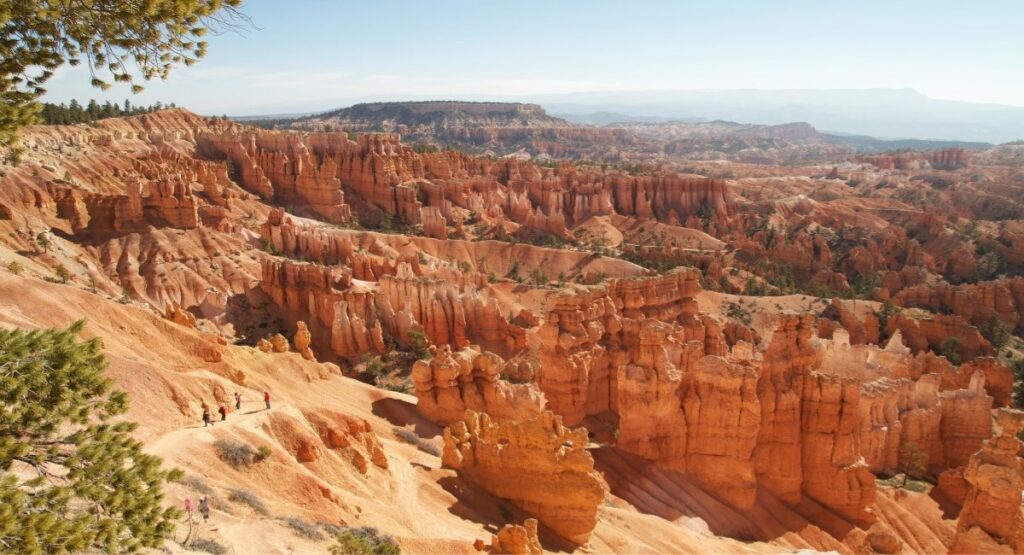
Famous for hoodoos—bizarre rock spires glowing orange at sunrise. At 8,000+ feet, bring layers even in summer. North Campground sits across from the visitor center. Kodachrome Basin State Park (30 minutes away) offers additional camping with similar geology.
Arches National Park
Source: Unsplash
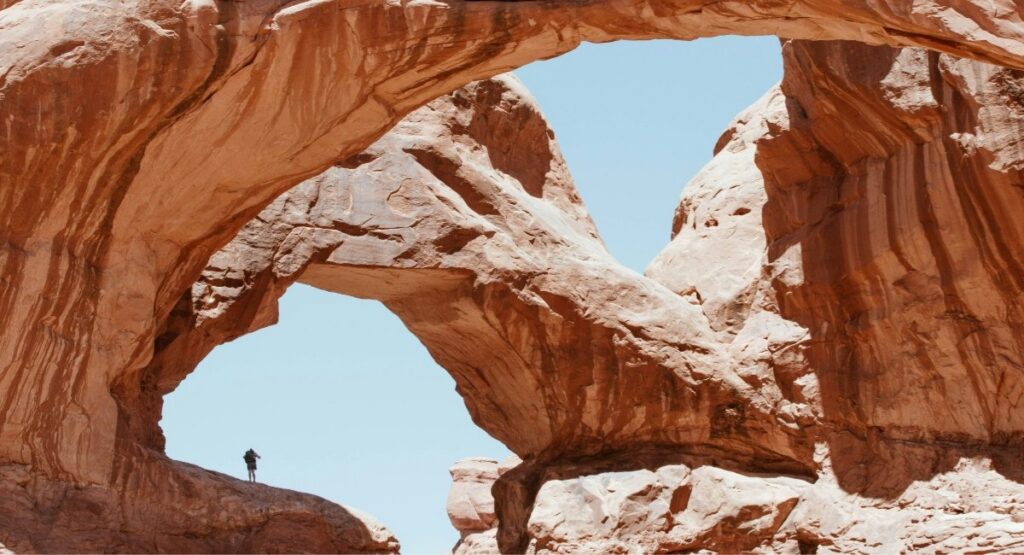
Home to 2,000+ natural stone arches, including Delicate Arch (Utah’s most iconic landmark). Devils Garden Campground inside the park offers no-hookup sites. Stay at Moab-area campgrounds (10-15 minutes away) for full amenities. Timed-entry required April-October.
Canyonlands National Park
Source: Unsplash
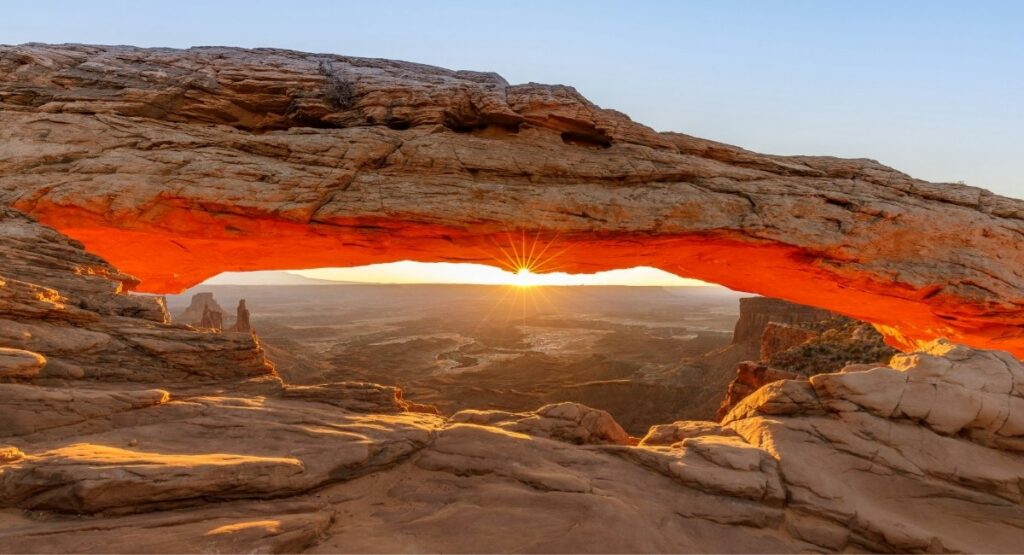
Utah’s largest national park has three distinct districts. Island in the Sky (most accessible) sits atop a 1,500-foot mesa with jaw-dropping overlooks. Limited RV camping inside—stay at Moab campgrounds 30-40 minutes away. Willow Flat inside the park has 12 first-come sites (no RVs).
Capitol Reef National Park
Source: Unsplash
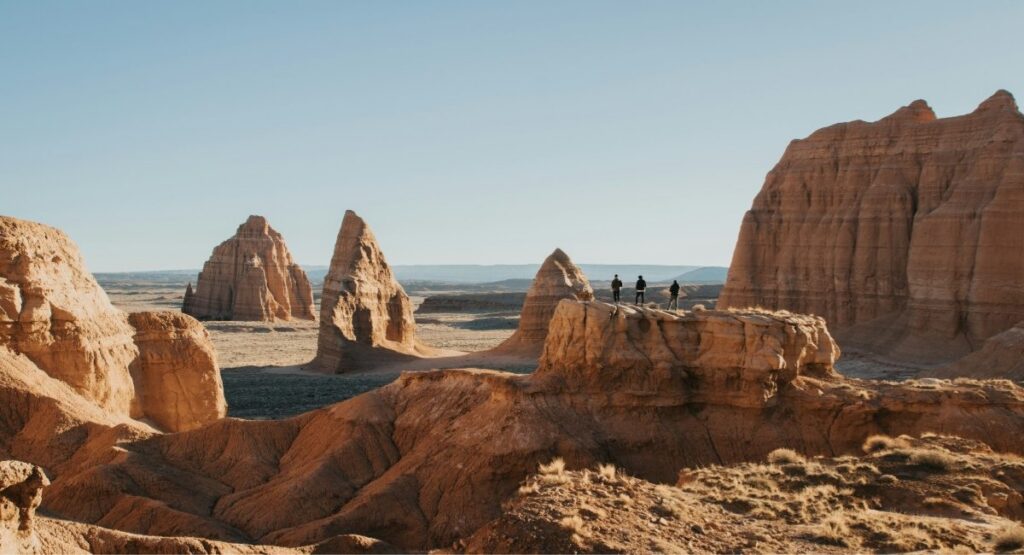
The least-crowded Mighty 5 park offers stunning red-rock cliffs, historic orchards, and incredible stargazing. Fruita Campground inside the park provides 71 sites (no hookups, some pull-throughs). Wonderland RV Park in Torrey (10 minutes) offers full hookups.
How Do I Book Utah RV Campgrounds?
Smart booking strategies ensure you snag the best sites during Utah’s busy season. Follow these tips:
Book 6 Months in Advance for Peak Season
March-May and September-October book solid quickly. National park campgrounds on Recreation.gov open reservations exactly 6 months out—mark your calendar and book the day they open. Popular private parks fill almost as fast.
Understand Timed-Entry Requirements
Arches National Park requires timed-entry tickets from April to October (6 am-5 pm). You need: 1) Timed-entry ticket, 2) Photo ID, 3) Park pass/entrance fee. Book these separately from camping—don’t assume park access. Check current requirements at nps.gov/arch.
Verify RV Size and Site Specifications
Never assume your rig fits. Check maximum RV length, slide-out clearance, and whether sites are pull-through or back-in. Some national park campgrounds have 35-foot limits. Call ahead if you’re borderline—staff often know which specific sites accommodate larger rigs.
Consider Shoulder Season for Flexibility
Late May-early June and late October-November offer lower rates, fewer crowds, and easier reservations. Weather can be unpredictable, but you’ll have parks nearly to yourself. Many snowbirds book monthly rates, November-March, at southern Utah campgrounds.
Frequently Asked Questions About Utah RV Camping
Can I visit all five Utah national parks in one RV trip?
Absolutely! A well-planned 7-14-day road trip hits all Mighty 5 parks. The classic route runs from Salt Lake City south through all five parks, ending near St. George. Allow 2-3 days per park for thorough exploration. Book campgrounds strategically between parks to minimize driving.
Are Utah campgrounds pet-friendly?
Most campgrounds welcome pets, though national parks restrict dogs from most trails (except paved paths like Pa’rus Trail in Zion). Private RV parks typically charge pet fees ($2-5/night) and require leashes. Always verify pet policies and trail restrictions before arrival, especially if hiking is your priority.
What’s the cost of RV camping in Utah?
National park campgrounds with no hookups run $20-35/night. State parks with electric/water hookups cost $30-45/night. Private RV resorts with full amenities range from $45 to $100/night, depending on season and location. Luxury parks near Zion and Moab command premium rates during peak season. Look for monthly rates if staying longer.
Can I boondock or dry camp in Utah?
Yes! Utah offers excellent free dispersed camping on BLM and National Forest lands. Popular areas include land surrounding Moab, near Capitol Reef, and throughout southern Utah. Most locations have 14-day limits. Some require permits during peak season. Check BLM Utah camping regulations before heading out.
Do I need 4WD or special vehicles for Utah RV camping?
Not for established campgrounds—all major RV parks and national park campgrounds have paved or well-graded roads. However, if you plan to explore backcountry BLM sites or 4WD roads in Canyonlands, a high-clearance 4WD vehicle helps. Stick to developed campgrounds if you’re in a standard motorhome or trailer.
Start Planning Your Utah RV Adventure
Utah isn’t just a destination—it’s the adventure of a lifetime waiting to happen. From sunrise over Delicate Arch to sunset painting Bryce Canyon’s hoodoos, from riverside camping at Zion to stargazing under Capitol Reef’s dark skies, this state delivers moments you’ll never forget.
The key is matching your camping style to the right parks and timing. Spring and fall offer perfect weather but require advance booking. Summer means heat and crowds in southern parks, but pleasant mountain camping up north. Winter opens southern Utah for snowbirds while keeping northern elevations frozen.
Whether you choose luxury resorts with pools and full hookups near Moab, family-friendly campgrounds walking distance from Zion, or rustic national park sites immersed in nature, Utah’s RV campgrounds serve up access to America’s most stunning landscapes.
Don’t have an RV yet? No problem. Browse Utah RV rentals on Outdoorsy to find everything from nimble campervans perfect for canyon roads to spacious Class A motorhomes ideal for extended Mighty 5 road trips.
Book your campgrounds, pack your RV, and get ready to discover why Utah is an RV paradise. The red rocks, natural arches, and endless adventures are calling your name. Your perfect camping spot is out there—time to find it and make some memories.