
What is the Best RV Washer/Dryer Combo?

Chelsea GonzalesMarch 9, 2026

What is the Best RV Washer/Dryer Combo?

The Short Answer

Looking for the best RV washer dryer combo? The Splendide WD2100XC is the tried-and-true favorite (15 lbs wash/11 lbs dry, vented, around $1,200-1,800), while the LG WM3555HWA offers modern ventless convenience with heat pump tech (2.4 cu ft, $1,400-2,000). 

Got a bigger rig? The GE Profile UltraFast packs 4.8 cu ft capacity with smart features for $2,000+. All run on standard 120V power and use 8-15 gallons per cycle. Your main decisions: can you cut a vent hole in your RV? What’s your budget? And how much space can you spare (most need about 23″W x 33″H x 22″ D)?

Owning an RV is fantastic because it provides the freedom to travel and explore without sacrificing the comforts of home. That said, not all of those comforts are automatically included in every rig. One amenity that most motorhomes and trailers are missing is an RV washer/dryer combo. 

Obviously, nobody wants to spend their trip seeking out laundromats and sitting in campground laundry rooms. Therefore, an RV washer/dryer combo is considered essential by many RVers who find themselves on the road for long periods of time. 

With a plethora of options available in the market, finding the best RV washer/dryer combo can be a daunting task. That said, it also means you should be able to find the perfect unit for your needs. This guide is here to help you make an informed decision when selecting the perfect washer/dryer combo for your RV.


RVs For Rent Near You

{“odcTracking”:”What is the Best RV Washer/Dryer Combo?”,”rentalPageType”:”pin”,”odcLocale”:”en-us”,”partnerId”:”700″,”apiObject”:{“auto_radius”:true,”instant_book”:true,”pagination”:{“pageSize”:4}}}

Considerations when Choosing an RV Washer/Dryer Combo

First, let’s take a minute to discuss what you should be looking for when shopping for the perfect washer/dryer combo for RV motorhomes and trailers. By keeping these things in mind, you can make sure you find something that will do its job well. 

RV laundry

Size and Capacity

Space is a precious commodity in an RV, so it’s crucial to choose a washer/dryer combo that fits your available space. Therefore, you will need to consider the dimensions of the unit, both for installation and during operation. 

Of course, you will also need to take note of the capacity, as this determines the number of clothes you can wash and dry in each cycle, and a washer/dryer combo that with very little capacity will require you to run more loads in order to get all of your laundry finished. 

Keep in mind, all RV washer/dryer combos will have a smaller capacity than a typical washing machine, so don’t expect to wash large loads in your RV. 

Ventless or Vented

RVs often have limited ventilation options, so deciding between a ventless or vented RV washer/dryer combo can be tough. 

Ventless units use condensation to dry clothes. This eliminates the need for an external vent but results in a much more drawn-out drying process, and therefore requires more electricity. On the other hand, vented models use an exhaust vent to expel moist air. They dry clothing more quickly, but will require you to create a vent hole in your RV. 

Power and Water Requirements

When dry camping, an RV has limited power and water resources. For this reason, it’s a good idea to choose an RV washer/dryer combo that is energy-efficient and water-saving. Look for units with low power consumption and water usage to ensure optimal performance without straining your RV’s resources.

Washing and Drying Programs

Different RV washer/dryer combos offer varying washing and drying programs to cater to different fabric types and soil levels. Depending on how you tend to wash clothes, you might want to look for units that provide a range of customizable options to suit your laundry needs.

Additionally, features like quick wash, delicate cycle, and steam refresh can be valuable additions.

Price

Obviously, price is also something to consider. The best washer/dryer combo for RV units cost over $1K. Still, many RVers firmly believe such a unit is well worth the price, and if you’ll be spending a lot of time in your RV, you will likely agree with them. 
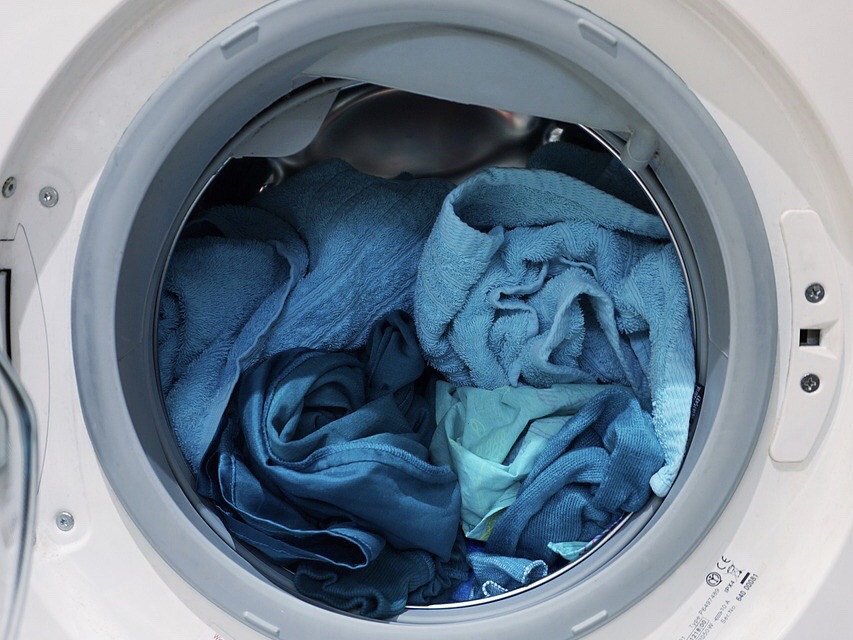
RV washer/dryer

Top Picks for RV Washer/Dryer Combos

The Old Faithful: Splendide WD2100XC

If there’s one washer dryer that RVers swear by, it’s the Splendide WD2100XC. This thing has been around for years, and there’s a reason it’s still the go-to choice for serious RVers.

Here’s what makes it special: it’s built specifically for life on the road (think Italian engineering meets RV durability). At 15 pounds wash capacity and 11 pounds dry capacity, it’s actually bigger than a lot of stackable home units. Plus, it runs on regular 120V power—no need for special electrical work.

The specs:

  • 10 wash cycles, 3 dry cycles
  • Stainless steel drum (won’t rust out on you)
  • Vented drying—you’ll need to cut a 4″ hole in your RV
  • Uses 7.5-16 gallons of water per cycle
  • Dimensions: 23.5″W x 33.1″H x 22.6″D
  • Weight: 148 lbs (not exactly light, but these are built to last)
  • Spins at 1200 RPM (hello, efficient water removal)
  • Runs around $1,200-1,800

Now, here’s the thing: yes, you’ll get wrinkles. The high spin speed means your clothes come out looking like they’ve had a rough day. But for socks, underwear, towels, and camping clothes? Who cares. And if you need something wrinkle-free, just pack a small steamer.

Real RVers on Forest River Forums back in 2024 summed it up perfectly: “We wouldn’t be without one.” Sure, it’s smaller than your home washer, but you’ll do laundry more often. That’s just how RV life works.

Best for: Full-timers and anyone who can install a vent and wants faster drying.

The Modern Option: LG WM3555HWA

Can’t cut a hole in your RV? Don’t want to? No problem—the LG WM3555HWA is your answer.

This is the ventless option that actually works. It uses heat pump technology (fancy term for “doesn’t need a vent”) and has a solid 2.4 cubic feet of capacity. The trade-off? Drying takes longer—we’re talking 2-3 hours for a full cycle instead of 60-90 minutes with vented models.

What you get:

  • 14 wash cycles, 8 dry cycles
  • Ventless condensation drying (no vent hole needed!)
  • Heat pump = energy efficient
  • Smart features and app control (if that’s your thing)
  • Super quiet operation
  • Runs $1,400-2,000

Dusty Trail RV’s 2025 review noted that LG’s heat pump technology “results in lower needed temperatures, which uses less energy.” Great if you’re mindful about power consumption.

The downside? You’ll wait longer for dry clothes. But if you plan your laundry around other activities (start a load before heading out for a hike, for example), it’s really not a big deal.

Best for: RVers who can’t install a vent, want modern features, and don’t mind longer drying times.

The Big Rig Option: GE Profile UltraFast Combo

Got a Class A motorhome or a spacious fifth wheel? The GE Profile UltraFast brings actual home-level capacity to your RV.

At 4.8 cubic feet, this thing is huge compared to typical RV washers. It’s ventless with heat pump tech, has smart app integration, and—this is cool—auto-dispenses detergent and softener so you just fill it up once a month.

The highlights:

  • 4.8 cu ft capacity (seriously impressive)
  • Ventless heat pump
  • SmartHQ app for remote control
  • Smart dispensers for detergent
  • Annual energy cost around $21 (based on 6 loads/week)
  • 110V operation
  • Runs $2,000+

According to Top Ten Reviews’ 2025 hands-on, the control panel is super intuitive with real-time feedback. If you’re into tech and have the space, this is pretty sweet.

Best for: Bigger rigs with room to spare and folks who want max capacity with modern features.

The Budget Pick: Portable Twin-Tubs

Not ready to drop over a grand on laundry? Portable twin-tub washers are your budget-friendly alternative.

These aren’t your traditional washer dryers—one tub washes, the other spins out water (not heat drying). You’ll still need to hang-dry or use a drying rack, but for weekend warriors in camper vans or small travel trailers, they get the job done.

What you’ll find:

  • Washing capacity: 11-18 pounds
  • Spinning capacity: 6.6-8 pounds
  • Dual-tub design (wash and spin at the same time!)
  • Lightweight and portable—no installation required
  • Price: $200-400

Brands like Giantex and Kuppet are popular. RV Properly’s 2025 guide calls them “perfect for RV owners who need basic laundry solutions without breaking the bank.”

Best for: Weekend campers, budget-conscious RVers, and anyone in a really small rig.


RVs For Rent Near You

{“odcTracking”:”What is the Best RV Washer/Dryer Combo?”,”rentalPageType”:”pin”,”odcLocale”:”en-us”,”partnerId”:”700″,”apiObject”:{“auto_radius”:true,”instant_book”:true,”pagination”:{“pageSize”:4}}}

Vented vs. Ventless: Which One Do You Actually Need?

Here’s the deal: vented dryers dry clothes way faster (60-90 minutes) but you’ve gotta cut a hole in your RV. Ventless takes longer (2-3 hours) but no hole required—it just condenses moisture into your gray tank.

This is probably your biggest decision. Let me break it down.

Vented: The Traditional Route

How it works: Just like your home dryer—heats air, tumbles clothes, blows the hot moist air outside through a vent.

The good stuff:

  • Faster drying (60-90 minutes for a full load)
  • Better at actually getting clothes dry
  • Works great for heavier stuff like towels and jeans
  • Less strain on your RV’s humidity levels

The not-so-good:

  • You’ve gotta cut a 4″ hole in your RV’s exterior (scary for some people)
  • More complex installation
  • Vent needs proper sealing or you’ll get drafts and leaks
  • Not possible in all RV layouts

One RVer on Forest River Forums put it perfectly: “If I had it to do over again, I would buy the model with the vented dryer and cut the hole in my fiver.”

Ventless: The No-Modification Option

How it works: Uses condensation or heat pump technology to pull moisture out of clothes, then drains that water to your gray tank.

The good stuff:

  • No cutting required—just plug in water, drain, and power
  • Can go anywhere in your RV (as long as you’ve got the connections)
  • Heat pump models are super energy-efficient
  • Perfect if you’re renting or don’t want permanent mods

The not-so-good:

  • Takes way longer to dry (2-3 hours—enough time for a hike)
  • Clothes might feel slightly damp at first (they dry within minutes though)
  • Struggles with really thick stuff like bath towels
  • Traditional condensation models use more power than heat pump versions

The RV Geeks noted in their 2025 review that ventless units have “a drain line at bottom front left corner” that handles all the condensation.

So Which One?

Go vented if:

  • You’re comfortable modifying your RV (or hiring someone to do it)
  • You’ve got exterior wall access in the right spot
  • You wash bedding and heavy items regularly
  • Faster laundry cycles matter to you

Go ventless if:

  • You’re renting an RV or planning to sell yours someday
  • Your ideal spot doesn’t have exterior wall access
  • You’re cool with planning around longer dry times
  • Energy efficiency is a priority

Not sure about cutting into your RV? Check out our guide on RV upgrades and modifications or talk to an RV service pro. They can tell you if your specific layout works for a vent.


What Size Do You Really Need?

Most RV combos are 2.4-4.8 cubic feet with wash capacities of 11-26 pounds. But here’s what matters more: your RV’s power (10-15 amps needed), water usage (8-16 gallons per load), and your weight limits.

Let’s be honest—you’re not fitting a king-size comforter in any RV washer. These units are smaller than home washers, period. But that’s okay because you’ll just do laundry more often.

Understanding Capacity

RV washer dryers list two numbers:

  • Wash capacity: How much you can wash (11-26 lbs)
  • Dry capacity: How much you can dry (always less—usually 6.6-15 lbs)

What this means in real life:

  • 11-15 lbs: A few days of clothes for one person, daily loads for two
  • 15-20 lbs: Almost a week for a couple, a few days for a small family
  • 20-26 lbs: A week’s worth for two people, or 2-3 days for a family of four

Here’s the reality check though: RVers on Beginning from this Morning’s install blog said it best—”We know that we will still need to use a laundromat periodically for larger loads like bedding.”

Physical Space Requirements

Standard combos measure about:

  • Width: 22-24 inches
  • Height: 33-37 inches
  • Depth: 22-24 inches
  • Weight: 145-175 pounds

Before you buy, measure your space and add a few inches for air circulation. You’ll also need room behind the unit for hoses and connections—4 inches minimum is a good rule of thumb.

Power and Water Reality

Electricity: These run on 120V and pull 10-15 amps. That’s fine… until you try running your air conditioner, microwave, and washer at the same time. Then you’ll trip a breaker. Ask me how I know.

For more on managing your RV’s electrical system without constantly resetting breakers, check out our RV electricity basics guide.

Water: Plan on 8-16 gallons per wash cycle. That’s not terrible, but it adds up. Real-world data from Forest River Forums users shows anywhere from “about 7 gallons” to “12-18 gallons” depending on the model and cycle.

Gray tank: Most units drain straight to your gray tank. Do a couple loads while boondocking and you’ll fill that tank quick.

Matching Size to RV Type

Class B campervans: Honestly? Skip it. Space is way too precious in most vans. Stick with laundromats or pack portable options if you absolutely need something.

Class C motorhomes: The 2.4-2.7 cu ft range works well. You’ll have just enough space without giving up too much storage.

Class A motorhomes: Go for 2.7-4.8 cu ft. You’ve got the room and the electrical capacity for larger units.

Travel trailers and fifth wheels: Anywhere from 2.4-4.8 cu ft depending on your floor plan. A lot of newer models actually come washer/dryer-ready, which makes installation way easier.

Installation: What You’re Getting Into

You’ll need to connect 120V power, water supply, and drain line. If it’s vented, add cutting a 4″ exterior vent hole. Then secure the whole 150-pound unit with anti-tip brackets so it doesn’t shift while driving.

Installation difficulty ranges from “pretty easy” to “maybe hire someone.”

What You Need to Connect

1. Power (120V): Ideally a dedicated 15-amp circuit. Most RVs with washer/dryer prep already have this. If not, you might need an electrician—especially important if you’re winter RVing and running heaters at the same time.

2. Water: Cold water hookup (the machine heats its own water). Standard washing machine hose works. Pro tip: add an inline filter to protect the pump.

3. Drain: Usually goes straight to your gray tank. Some setups drain externally. Needs a proper slope for gravity drainage.

4. Vent (vented models only): The scary part—cutting a 4″ hole through your RV’s exterior wall. Use aluminum tape or proper RV sealant. Add an exterior vent cap to keep rain and bugs out.

Basic Installation Steps

For vented models:

  1. Pick your spot (bathroom, bedroom, or utility area with exterior wall)
  2. Take a deep breath and cut that vent hole (measure twice!)
  3. Install vent pipe and seal it well
  4. Connect water and drain
  5. Plug in power
  6. Install anti-tip brackets—THIS IS CRUCIAL
  7. Run a test cycle

For ventless: Same thing minus the terrifying vent hole. Way easier.

Common Mistakes

Don’t skip the anti-tip brackets. Seriously. At 150 pounds with a high center of gravity, these can tip forward during travel or operation. One installer noted: “At 150 lbs., we do not want that thing to ever come flying out of place.”

Don’t cheap out on vent sealing. A poorly sealed vent = drafts, moisture, and heat loss. Check it annually.

Don’t use regular detergent. Always HE (high-efficiency). Regular detergent makes too many suds and can damage the machine.

DIY vs. Hiring Out

Do it yourself if:

  • You’ve done RV mods before
  • You own the right tools (drill, hole saw, wrenches)
  • You’re cool with cutting into your RV
  • You’ve got a weekend free

Hire a pro if:

  • This is your first RV modification
  • You don’t want to risk messing up your rig
  • You need electrical work
  • You want warranty coverage

Pro installation runs $200-500 but gives you peace of mind.


Keeping It Running: Maintenance That Actually Matters

Monthly: clean the door seal and detergent dispenser. Quarterly: deep-clean the lint filter. Annually: run a machine cleaner cycle and check all hoses. That’s it—not complicated.

Good maintenance can stretch your washer’s life from 5-7 years to 10+ years.

Monthly Stuff

Clean the door seal (that rubber gasket) with a damp cloth. Look for mold or mildew—it happens, especially in humid climates.

Run an empty cleaning cycle with washing machine cleaner or white vinegar. Keeps things fresh and prevents detergent buildup.

Check and clean the drain filter. It catches lint and random stuff (coins, buttons, the occasional sock).

Every Few Months

Deep clean the lint trap beyond just the basic filter.

Check hoses for cracks, bulges, or leaks. Replace anything questionable before it fails mid-trip.

Make sure water drains properly and your gray tank connection isn’t backing up.

Tighten mounting brackets if needed—road vibration loosens things over time.

Annual/Seasonal Tasks

Winterizing: If you’re storing your rig in freezing temps, disconnect water, run a drain cycle, add RV antifreeze, and leave the door cracked open. Check our winter RV guide for more details.

Deep cleaning: Clean the drum, check for rust spots (rare with stainless, but check anyway).

Testing: Run test cycles before major trips to make sure everything works.

Vent inspection (vented models): Clean lint buildup, check the exterior vent cap.

Troubleshooting Common Issues

Wrinkly clothes? Don’t overload. Pull clothes out right when the cycle ends. The high-speed spin (1200 RPM on the Splendide) causes wrinkles—shake them out before drying.

Vibration? Check that it’s level. Verify mounting brackets are secure. Balance your load.

Slow drying? Clean the lint filter. Check the vent for blockages (vented models). Don’t overload.

Smells? Run a cleaning cycle. Clean the door seal and detergent area. Leave the door open between uses. Check for standing water in the drain.

Detergent Tips

Use HE detergent only. And use way less than you’d think—most RVers use just 1-2 tablespoons per load. Too much soap causes buildup and can wreck the machine.

Ready to Make Laundry Easier?

Look, an RV washer dryer isn’t for everyone. But if you’re spending serious time on the road, it’s one of those upgrades that makes RV life feel a whole lot more like home.

Before you buy:

  • Measure your space (carefully!)
  • Check your RV’s electrical capacity
  • Decide on vented or ventless based on your situation
  • Set a realistic budget, including installation
  • Read reviews from actual RVers

Whether you’re planning your first RV adventure or you’ve been full-timing for years, having fresh clothes whenever you need them just makes life easier. And with Outdoorsy’s RV rental marketplace, you can actually test drive different RV types to see what laundry setup works before you buy anything.

Ready to hit the road with clean clothes? Browse RV rentals near you or check out more ways to upgrade your RV experience.

Find what moves you—even if it includes the occasional load of laundry.


Frequently Asked Questions

Can you actually use an RV washer-dryer while boondocking?

Technically? Yes. Practically? It’s tough. You need enough battery and inverter capacity (1000-1500 watts), 8-15 gallons of fresh water per load, and room in your gray tank. Most people save laundry for when they’ve got hookups. A couple of loads will drain your fresh water and fill your gray tank fast when you’re off-grid.

Will a washer-dryer fit in a Class B van?

Probably not. Most Class B vans are too tight for traditional combos. You might squeeze a portable twin-tub washer into a larger Sprinter conversion, but honestly? Just hit a laundromat. Space is too precious in vans.

Are these things loud?

Depends. Units with brushless motors (like the Splendide) are pretty quiet—think dishwasher level. But that spin cycle at 1200 RPM? You’ll hear it. Real RVers say they can watch TV or even sleep while it runs, but yeah, you’ll definitely know it’s on during the spin.

Can you wash bedding in an RV washer?

Smaller units (2.4-2.7 cu ft) struggle with king bedding. You might fit a queen sheet set or a lightweight comforter. Many full-timers still hit laundromats for bulky items like sleeping bags and big comforters. Larger units (4.8 cu ft) do better but still have limits compared to commercial machines.

How long do these actually last?

With proper care, 7-10 years. RV washers take more abuse than home units thanks to road vibration. Splendide has a solid reputation—some RVers report 10+ years of service. Cheaper portable units might give you 3-5 years.

http://wonderwhereverwewander.wordpress.com/


Ready to get started.

Be the first to get doses of destination inspiration, and discount codes.

We care about the protection of your data. Read our privacy policy